

30 Minutes to Build an App You'll Use Once
The cost of building software fell through the floor & most people still haven’t noticed.

Last week, I read a story about a man named Mike Schmitz who vibe coded a Jeopardy-style game for his friend’s birthday party.
Knowing his friend was a huge movie buff, Mike built all the questions around movies. The Jeopardy game was fully interactive, and they projected it on the wall during the party.
It took 30 minutes to build and was only used for a single afternoon.
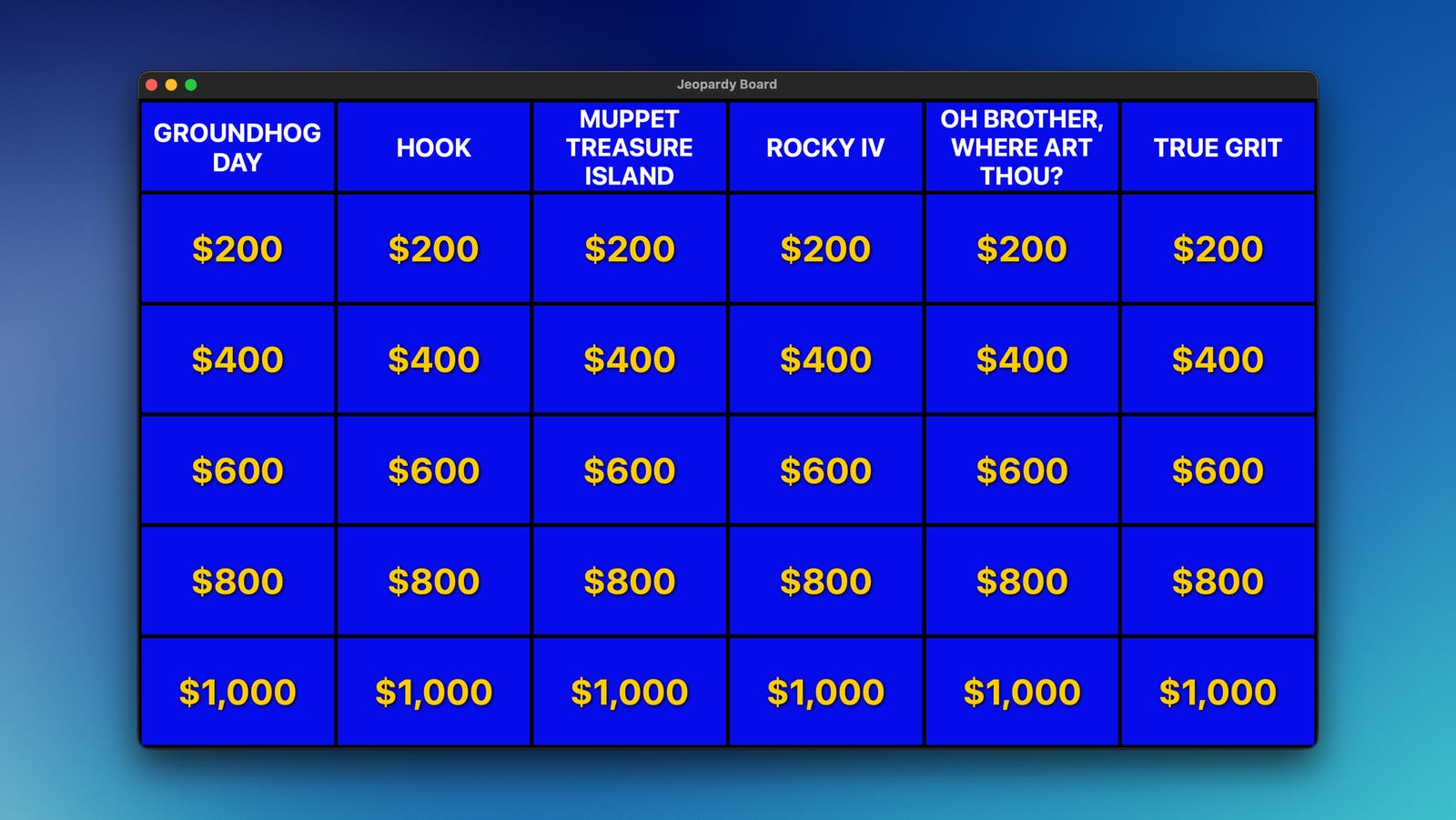
Nobody would have done this 3 years ago.
It just wasn’t worth the hassle.
Building software was expensive. It required lots of money and skill. So, you only built software for big problems with high potential payoff. A party game for a single night just never survived that filter. Almost nothing did unless people were willing to pay for it.
But two things changed all of that:
AI coding capabilities increased
The costs fell to the floor
In other words, the door swung wide open for normal people to vibe code working apps in plain English. As normal people explore this new AI-world, they’re creating a new kind of disposable software:
I’m calling them paper plate apps.
A paper plate app is small, built fast, and usually just for one person or small group (probably you). It often has no users to support, no roadmap, and nobody maintaining it.
Sometimes paper plate apps are used once and never opened again. Other times, you end up opening them weekly because they turn out to be so useful. With these new disposable apps, you don’t really know in the beginning and it doesn’t matter because you aren’t obligated to it in any way.
This is why the name “paper plate” fits. You don’t wash paper plates, you don’t store them back in the cabinet, and you don’t feel bad after you chuck them in the trash. You use it for a specific purpose, and then toss it.
4 more disposable apps built with AI
Baby birth guessing pool
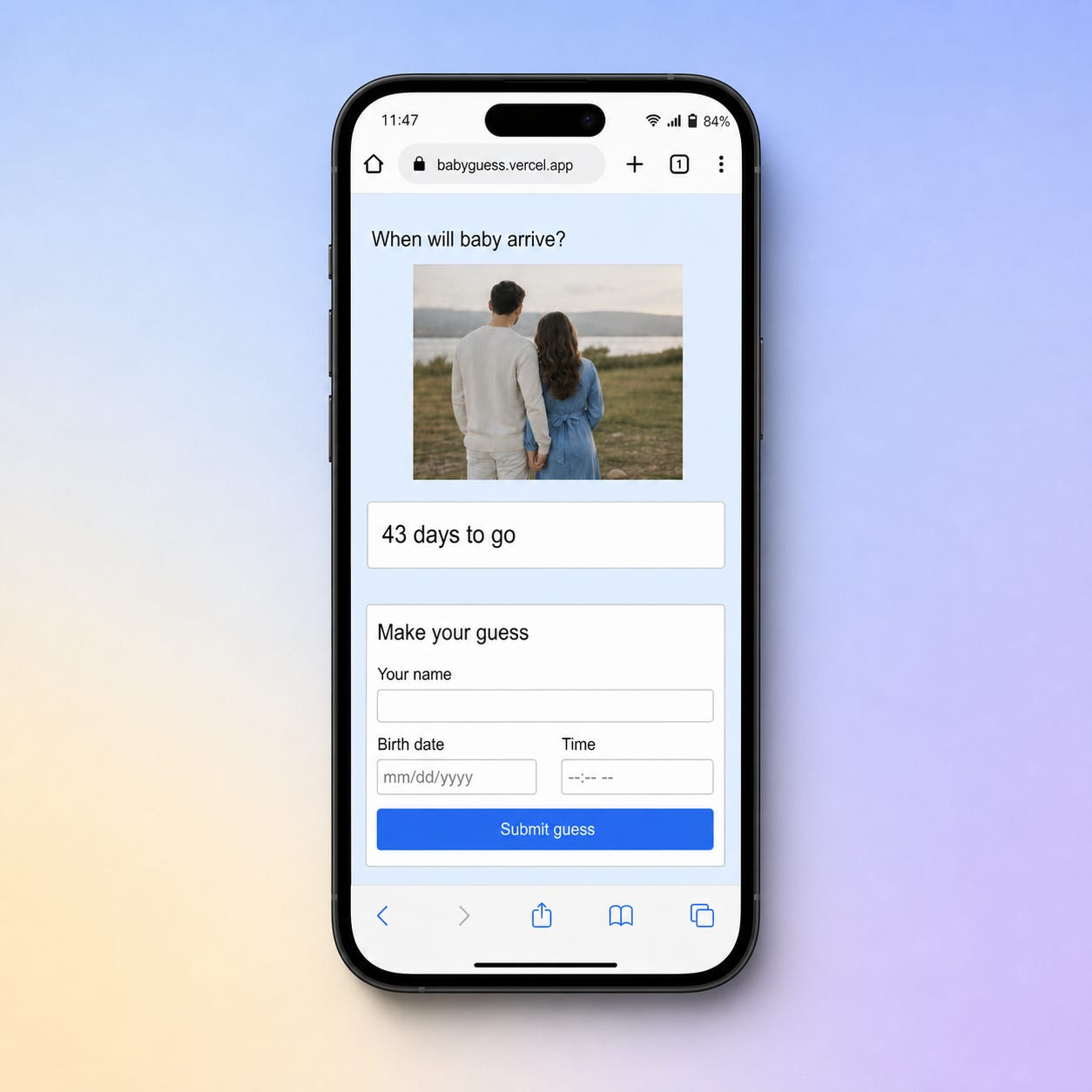
The person that built this app was expecting a new baby soon, and his wife was having a baby shower the upcoming weekend.
To make things fun, he thought he’d vibe code an app where everyone at the Baby Shower could make a guess as to when the baby would be born. So, that’s exactly what he did... in a single day.
Apparently, the app was so easy to use that his non-technical mother-in-law placed her own guess without any help. WIN!
(I couldn’t find a screenshot of the original app, so I generated this one for the article)
Graduation FAQ app
Josiah was graduating from Stanford soon, which meant a lot of family was coming to town. He knew they’d have a gajillion questions about how to get around, what time to be where, which hotels to stay at, etc. He also knew this meant his Mom would spend her entire weekend trying to answer them.
So, to help out, he vibe-coded a paper plate app just for his family, just for the weekend. He scraped Stanford University’s website for graduation info, and created a little FAQ chatbot with Replit.
They gave the URL out to his friends and family, and his Mom was able to enjoy the graduation.
Wedding photo booth
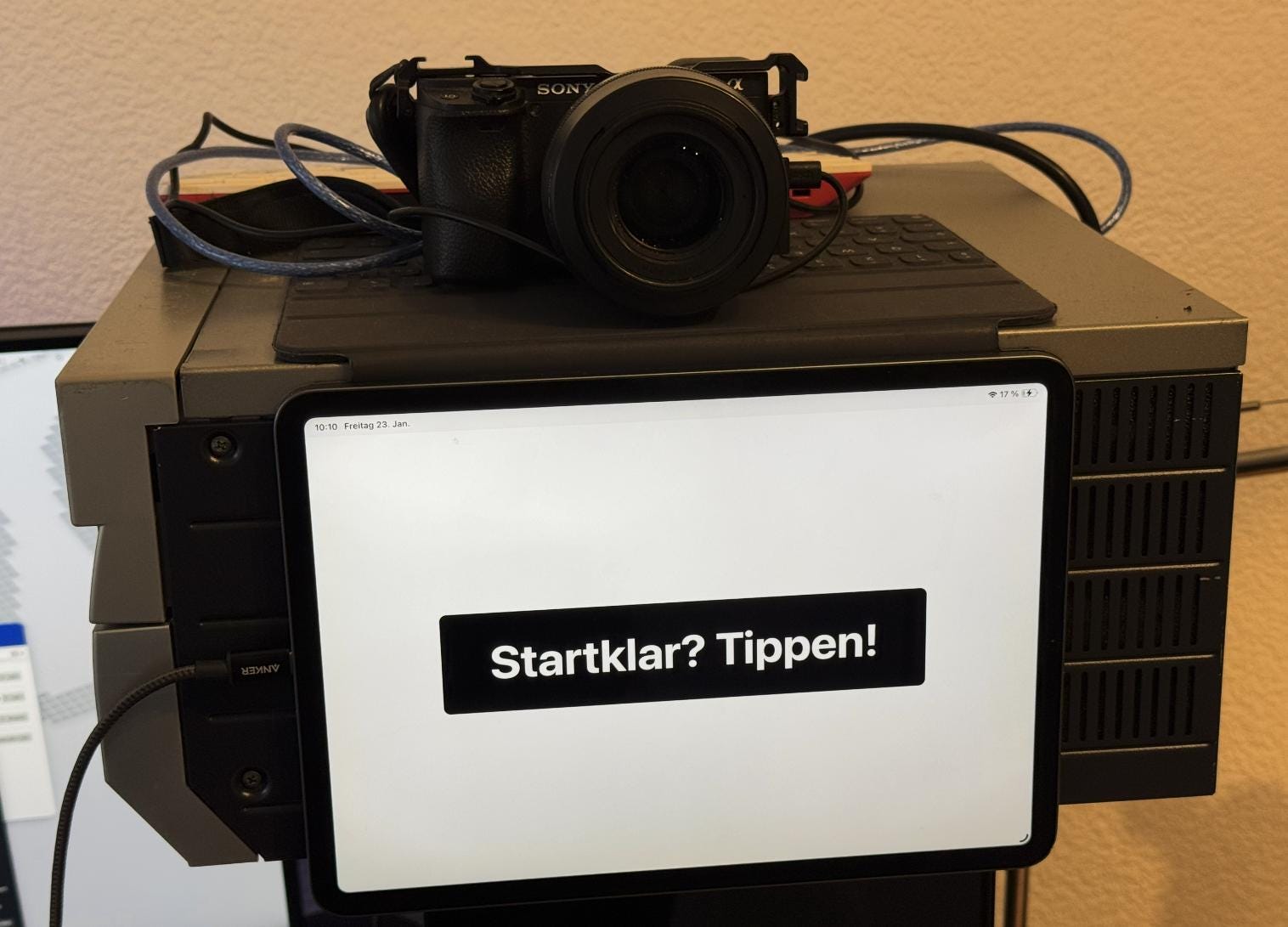
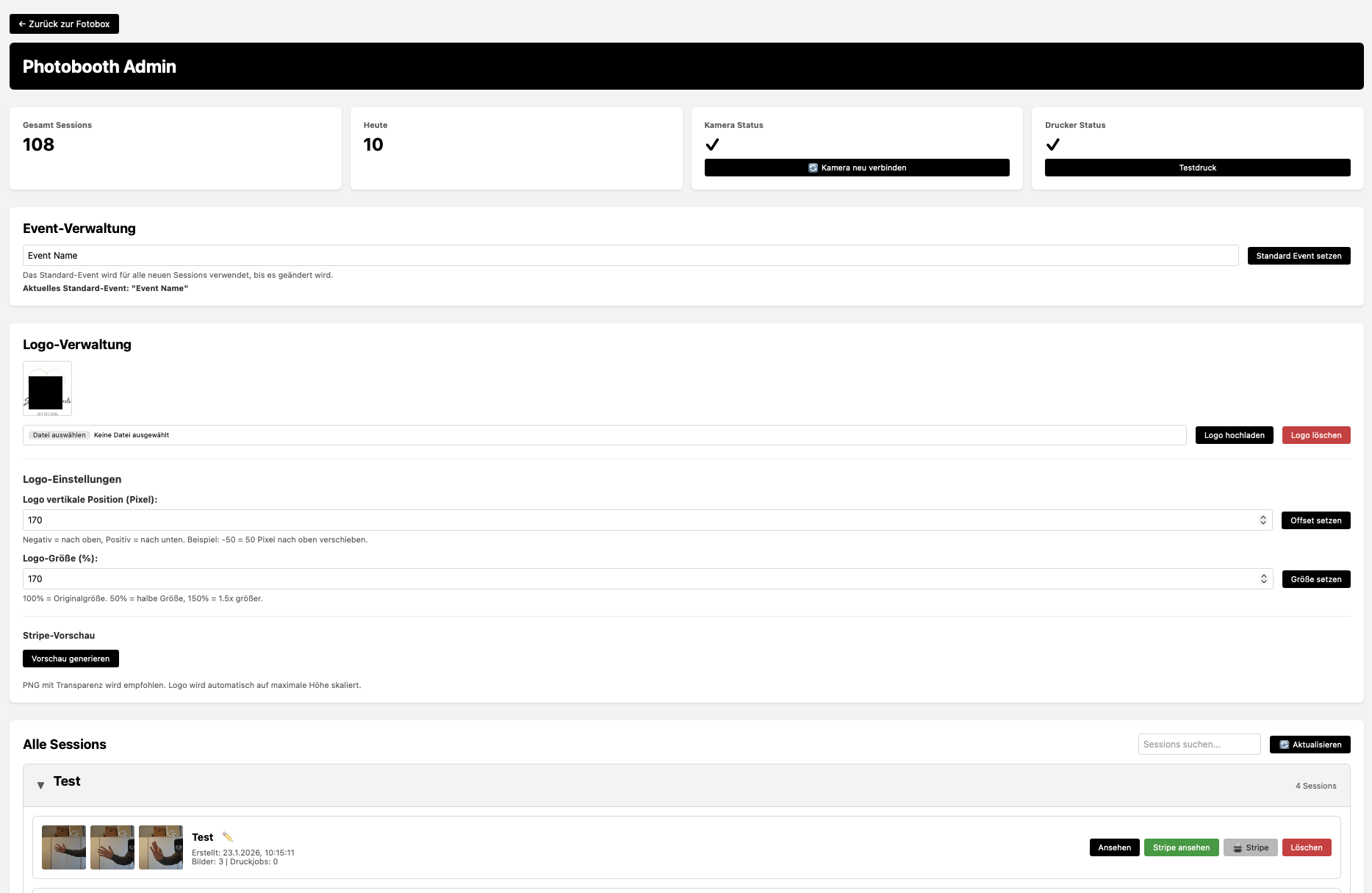
This user had a wedding coming up and wanted a photo booth.
The rentals were $400-$500 which put it outside of his budget. After thinking for a while, he realized he already had all the equipment needed to build his own photo booth, he was just missing the software.
So he decided to vibe code his own.
It worked:
Sometimes disposable apps turn into businesses
Have you ever noticed how inefficient it is to grocery shop from a list?
The problem is that your list doesn’t match the layout of the store, and so you’ll go back and forth between aisles to get everything you need.
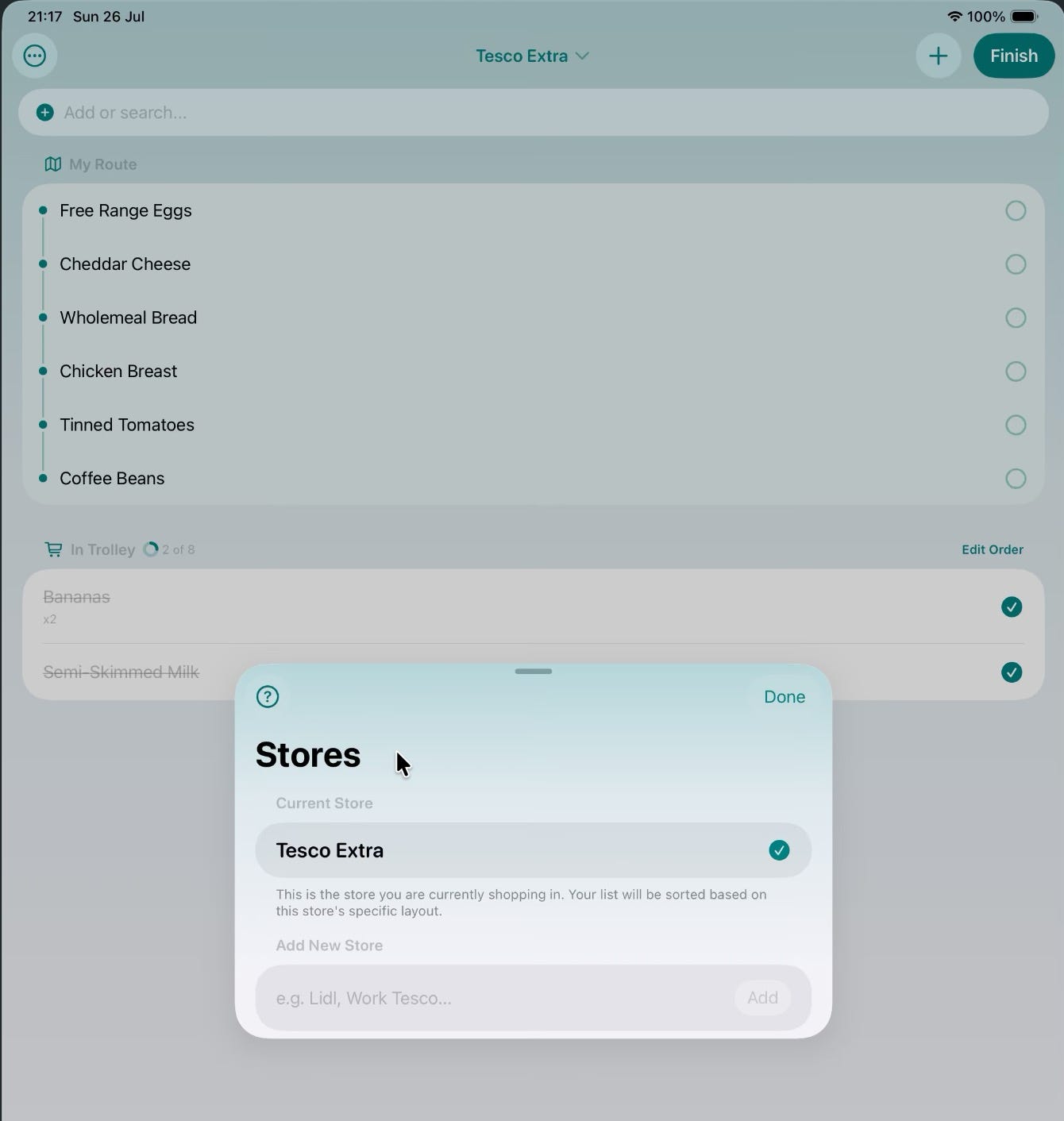
Well, a firefighter in the UK got sick of this, so he vibe coded an app that learns his store’s layout and reorders his grocery list for him.
Then his little paper plate app turned into an actual business.
So where are all the paper plate apps?
Given AI’s ability to take plain English and turn it into working code, you’d expect an explosion of paper plate apps. It’s strange that neighbors, teachers, friends, aunts, and uncles aren’t asking you to check out all the new apps they’re creating.
But despite the examples above, almost nobody is taking advantage of this.
One of the last barriers to building paper plate apps seems to be psychological:
We still think software needs professionals, maintenance, and longterm reuse to justify. But the actual return on investment needed to build a paper plate app is laughably low.
Almost no one has adjusted for this new reality, and so no one sees the opening.
Think about that one tricky vacation you were trying to plan, or that time you were hosting book club at your place, or throwing a birthday party for your kiddo. All of us have had those moments where we experience a small frustration go, “There should be an app for this.”
Well, now there can be, and you can build it.
All you have to do is notice the problem.
If you want to see how low the barrier has gotten, I cloned a $168 app from the toilet.
Hope you found this helpful.
Catch you in the next one,
-Michael ✌️
P.S. What are you building? Drop a comment below or reply to this email and tell me about it. I’d love to know!
If you liked this article, you might like some of my other AI content:
I’ve been building a scavenger hunt-esque app for a group trip with friends this fall. It is admittedly more involved than 30 minutes with Claude but it’s been so much fun building an app I know will only be used by that specific group for one specific week, and to be able to tailor everything to that experience
Such a good post Michael! "Paper plate" software is a great name for it. I have 8 or so random vibe-coded apps in progress right now. When an idea strikes, I just go to town lol. 🙈 One is a memory capture app for milestones and cute stuff my daughter says. I was tired of my long Note, didn't like anything in the App Store, so I just..built one. Voice-logged and auto-categorizes. Love the freedom and empowerment that comes from the low barrier to entry of building software now.